Accessibility Tools

Liver-on-Chip

A Human-Relevant In Vitro Liver Model for Toxicology and Drug Research

Overview Dynamic42 Liver-on-Chip Model

The liver-on-chip model is an advanced in vitro liver model designed to replicate key physiological and functional features of the human liver. It is suitable for toxicity profiling, uptake and transport studies, cholestasis research, and infectious disease modeling, and can be used as a human-relevant alternative to animal testing in liver-related studies.

Using a microfluidic organ-on-chip platform, the model recreates perfused liver microenvironments and allows the investigation of drug metabolism, inflammation, and mechanistic pathways involved in hepatic function.

Liver Model Features

Dual compartments:

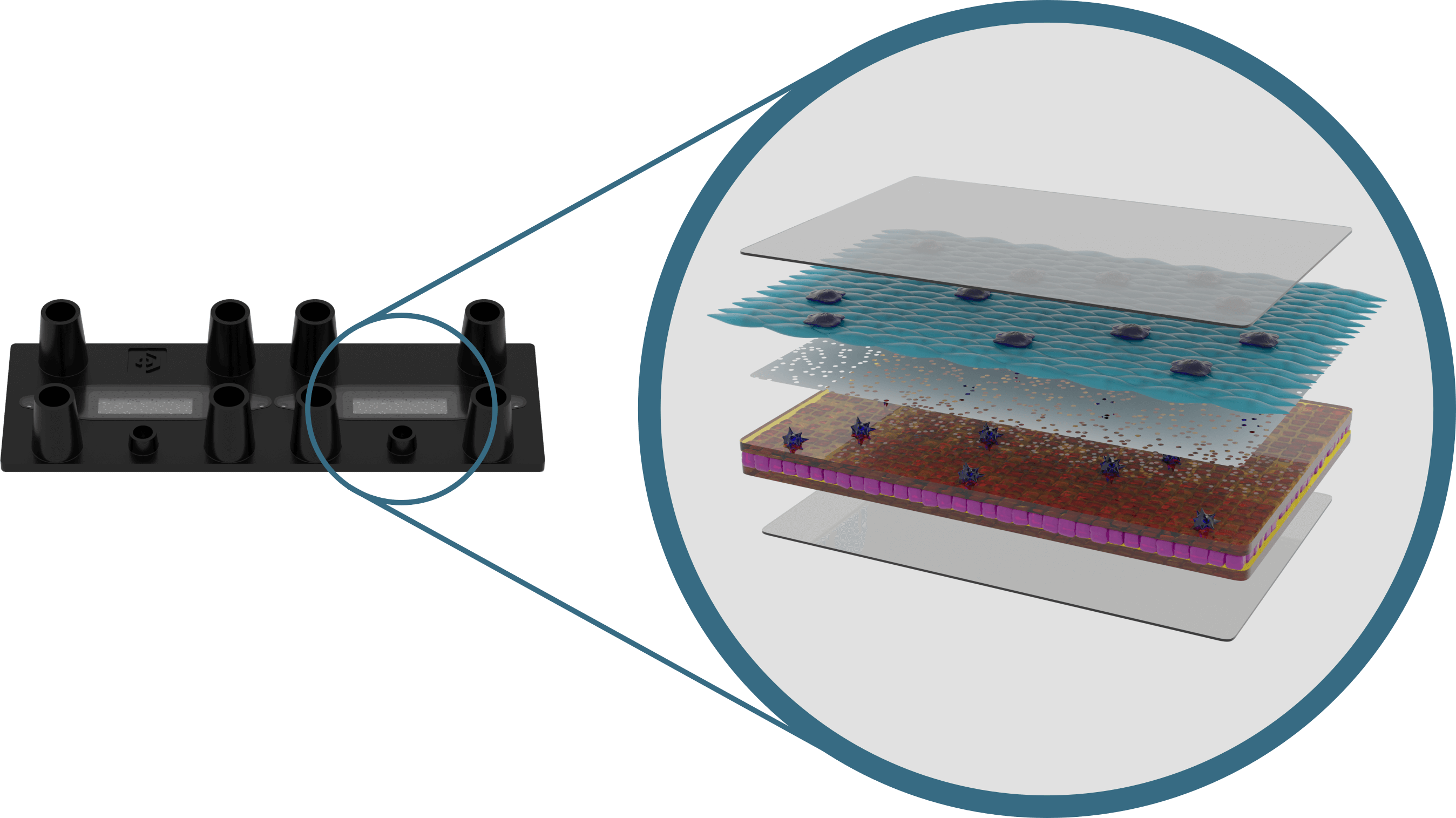
The model includes a vascular compartment formed by liver sinusoidal endothelial cells and Kupffer cell surrogates (macrophages), a hepatic compartment composed of hepatocytes and optionally hepatic stellate cells in matrix-supported 3D culture.

Perfusion and immune competence:

Continuous flow supports tissue viability, while integrated immune components allow for inflammation studies.

Flexible configuration:

The system offers the possibility to integrate various cell sources such as cell lines, patient-derived cells, and iPSC-derived cells at different cell complexities and/or configurations.

Long-term culture:

Operable for up to 14 days with stable tissue vitality, sustained secretory function, and consistent expression of hepatic markers including CYP enzymes and drug transporters.

Specifications for Liver-on-Chip

The Dynamic42 liver-on-chip comprises two compartments: a vascular compartment and a hepatic compartment. The vasculature is formed by liver sinusoidal endothelial cells and tissue-resident macrophages serving as Kupffer cell surrogates. The hepatic compartment comprises hepatocytes and optionally hepatic stellate cells embedded in various kinds of matrices.

The Dynamic42 liver-on-chip can be operated with various cell sources. Please get in contact for further details.

endothelial-cell-2

Liver Sinusoidal Endothelial Cell

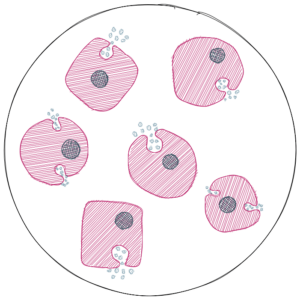
macrophage-2

Macrophage

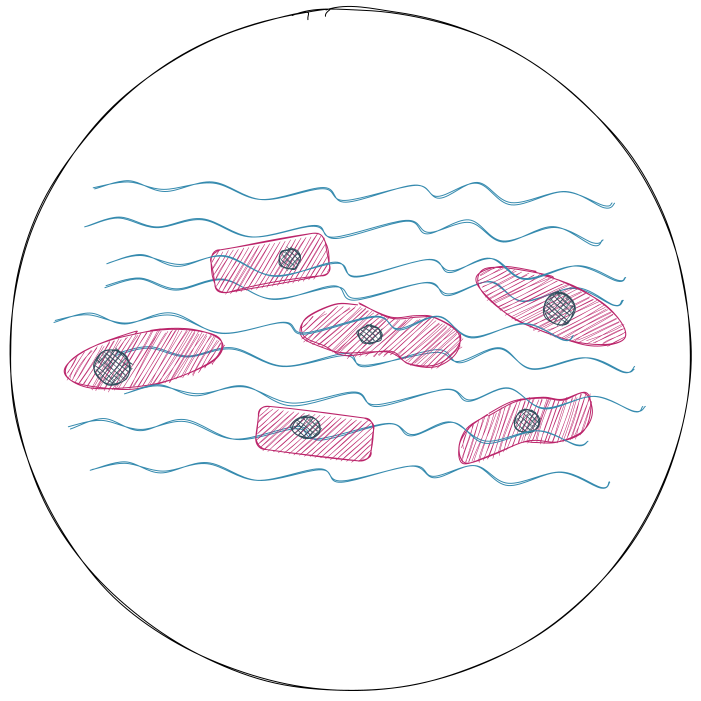
hepatocyte-2

Hepatocyte

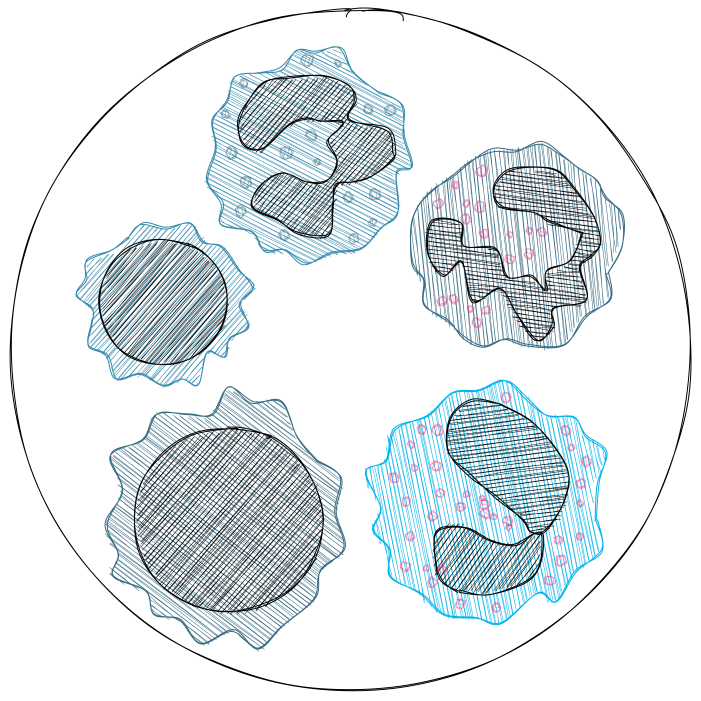
hepatic-stellate-cell-2

Hepatic Stellate Cell

Two models can be operated in parallel on one biochip or chambers connected to create a multi-organ model.
The liver model has been tested on the DynamicOrgan® 2-Channel Kit and 2-Channel Kit – precious.

Liver-on-Chip Characteristics

Enhanced marker expression

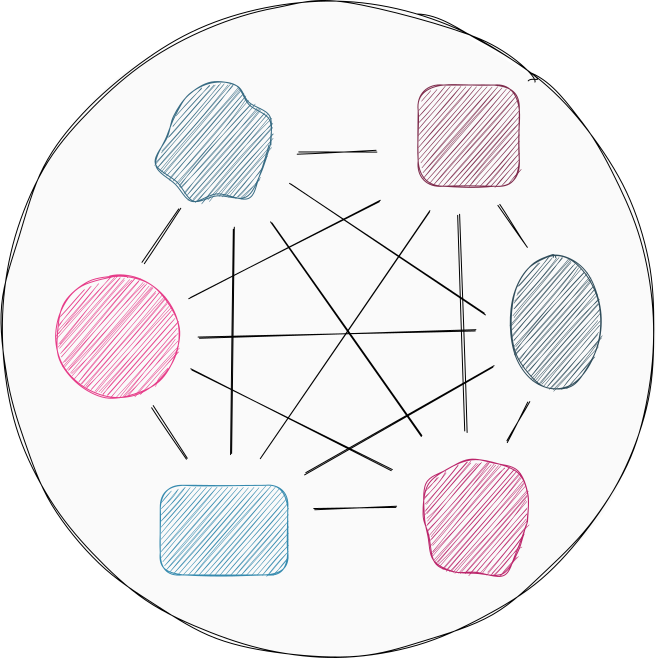
Intense cell-cell communication

Physiologic biomechanical stimulation via flow

Secretory function

Immunocompetence

The Dynamic42 liver-on-chip can be operated up to 14 days with high vitality, stable secretory function and stable expression of transporters and CYP enzymes.

Embedding Vega-Lite
Embedding Vega-Lite
Embedding Vega-Lite
Embedding Vega-Lite
Slide 1

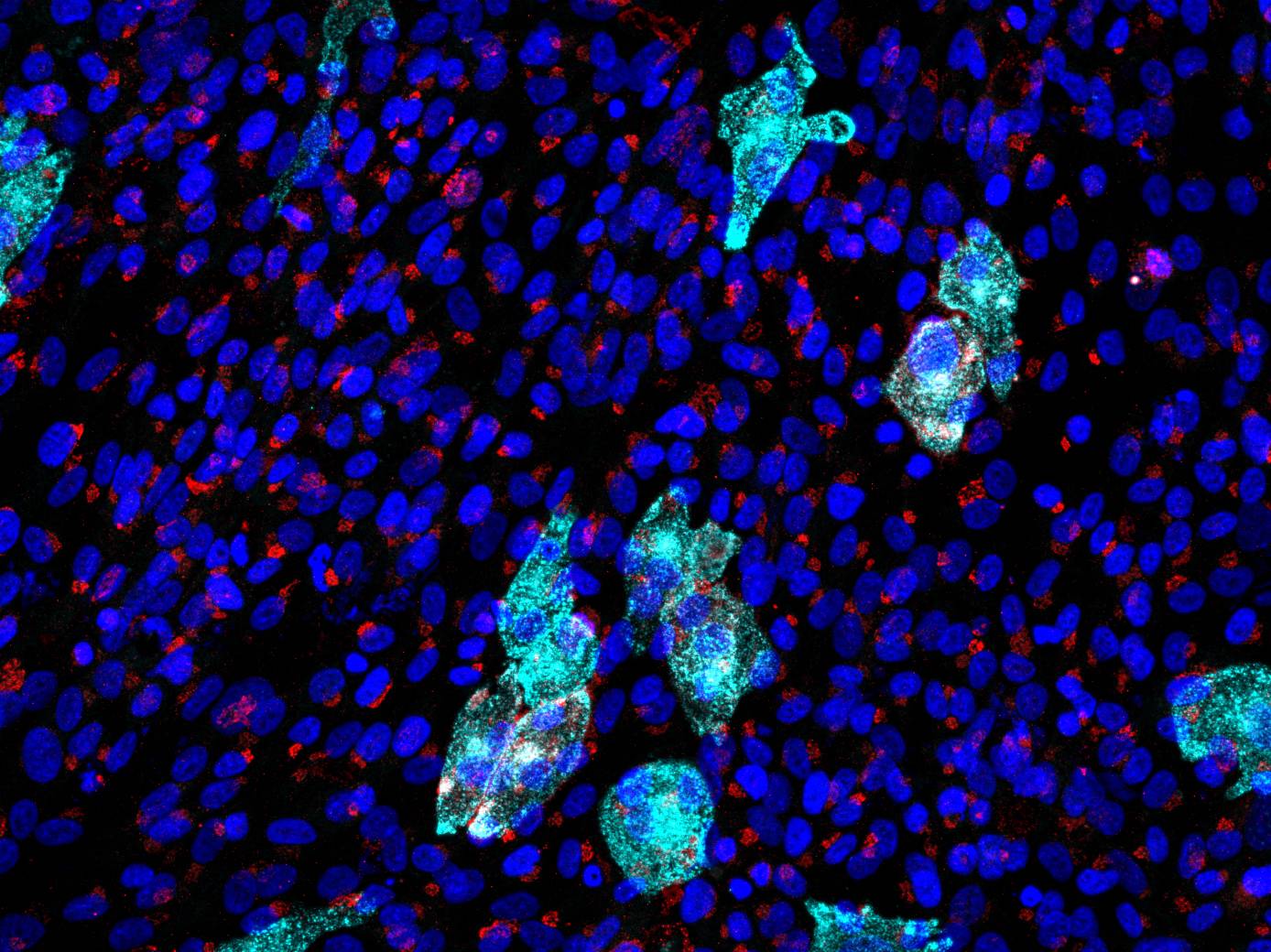
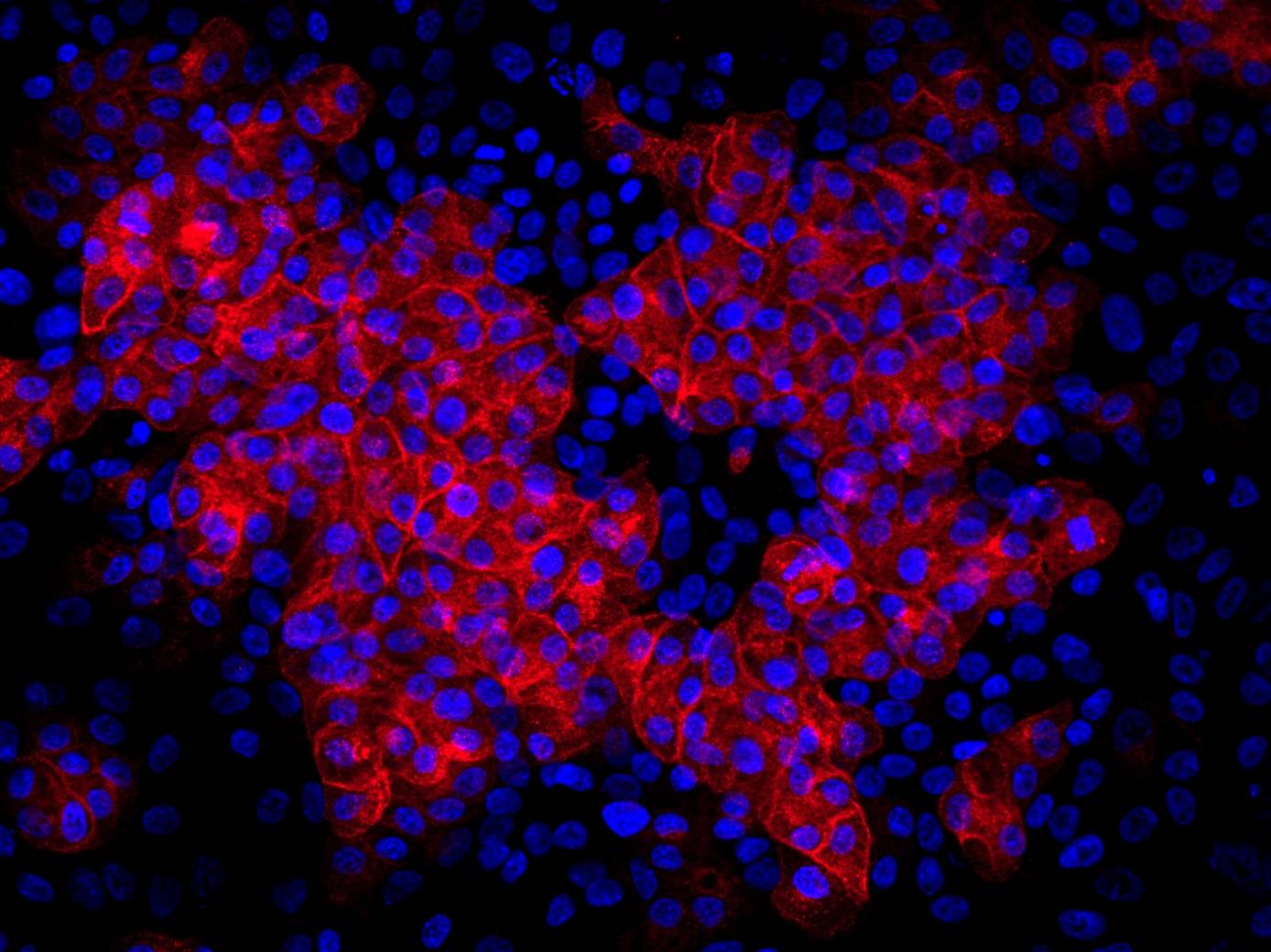
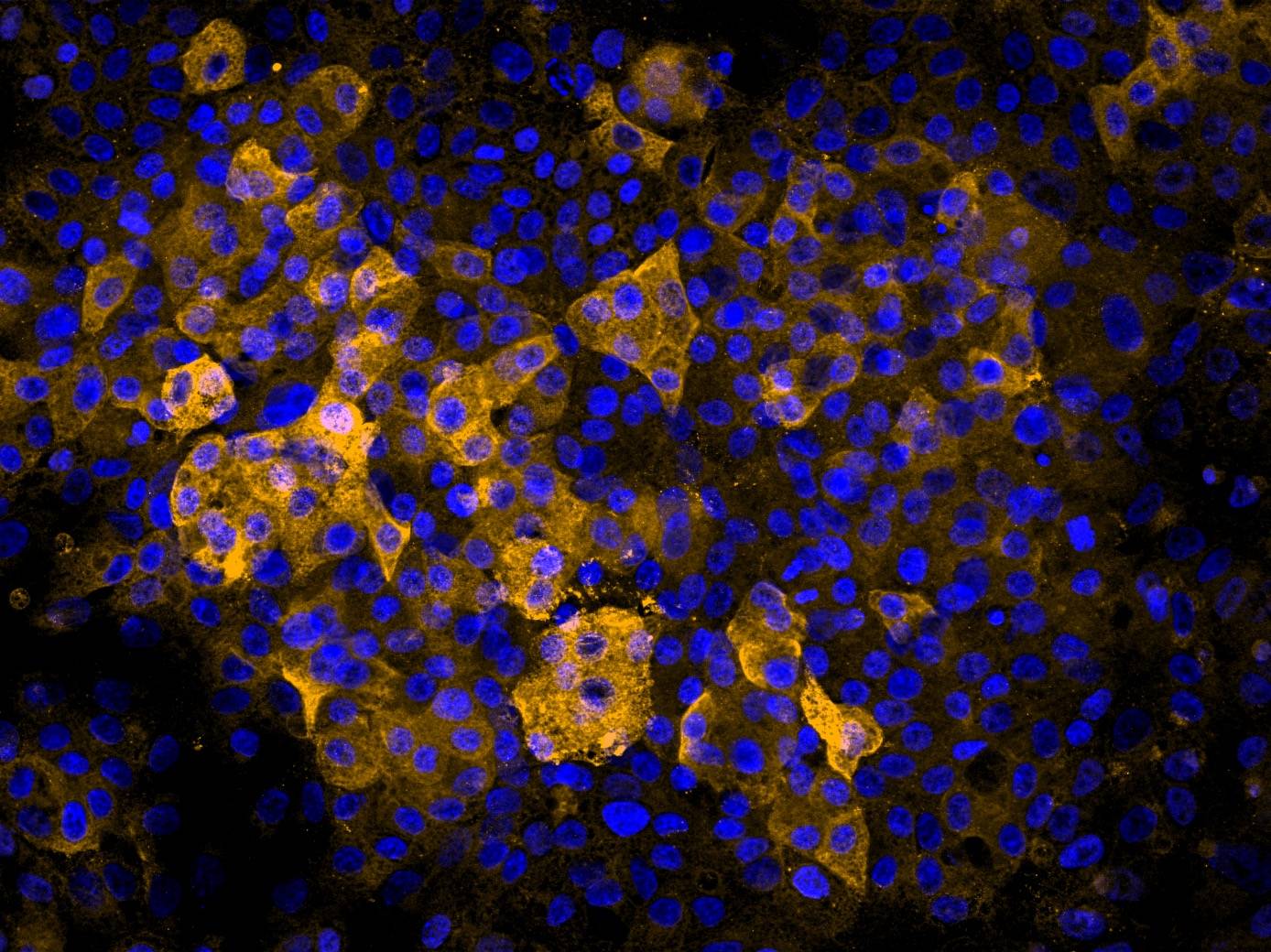
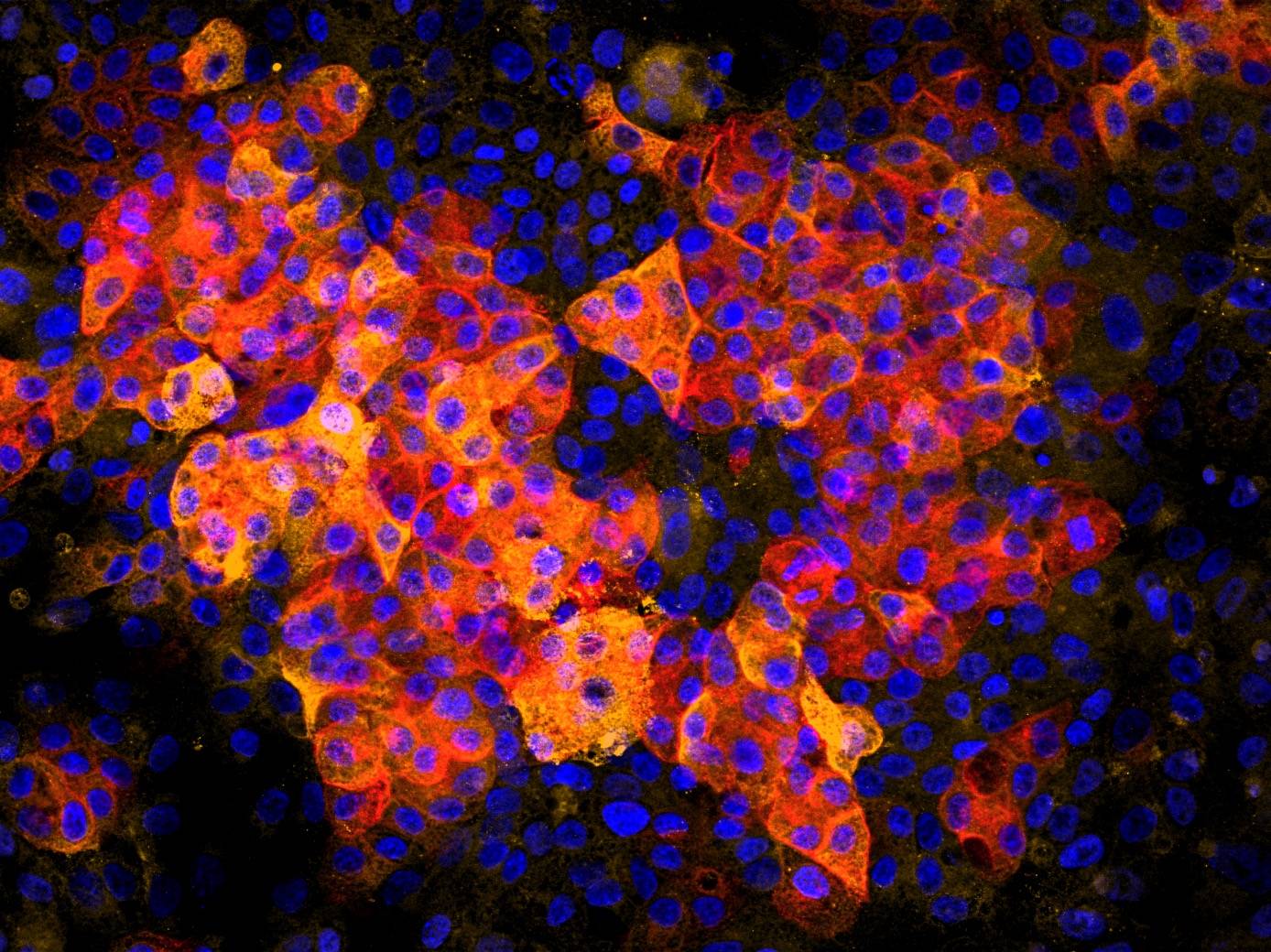
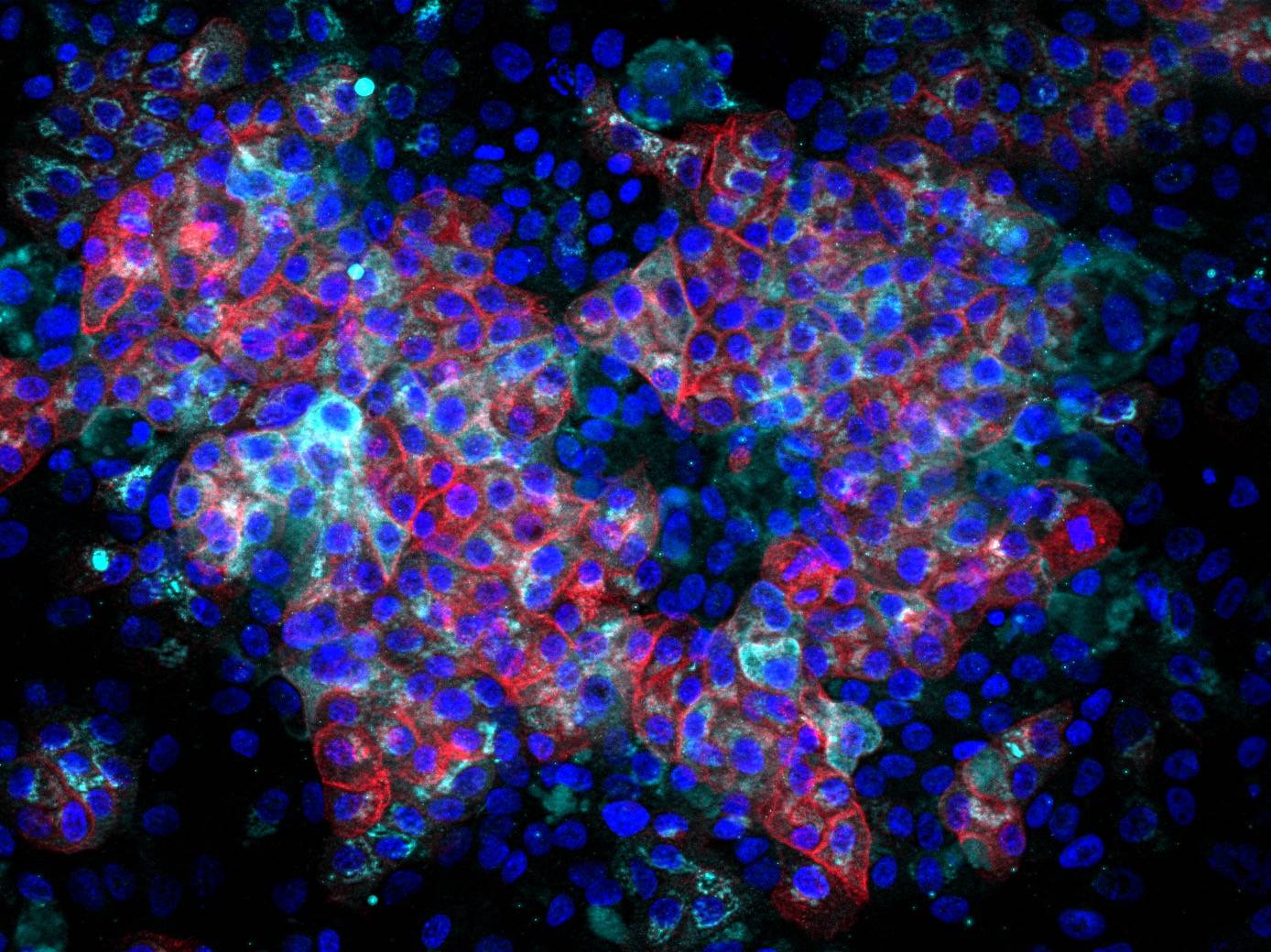
D42 Liver-on-Chip: Liver sinusoidal endothelial cells (LSECs) and tissue-resident macrophages comprise the vasculature of our Liver-on-Chip model. LSEC-specific marker FCGR2b/CD32b is shown in red and mannose receptor/CD206 on macrophages is shown in cyan.


previous arrow
next arrow

Application Areas for our Liver Model

  • Liver toxicity model for hepatotoxicity assessment and drug safety screening
  • Cholestasis and transport studies under flow conditions
  • Antibody recycling and FcRn functionality
  • Modeling of hepatic inflammation and infectious diseases
  • ADME and CYP activity analysis in a physiologically relevant system

Why Use Liver-on-Chip?

This liver-on-a-chip system offers dynamic perfusion, immune-competent co-culture, and extended viability, features that make it more predictive than static cultures and more ethical than in vivo animal models. It provides high-content data for pharmacological and toxicological applications, making it an ideal platform for preclinical drug development and in vitro hepatotoxicity assessment.

Related Products for Liver Model Applications

DynamicOrgan® 2-Channel Kit

Mockup_2-ChannelKit
  • Build liver-on-chip models for drug metabolism, hepatotoxicity assessment, and immune–liver interaction
  • Suitable for ADME studies and reproducible testing of liver-specific transporter and CYP enzyme activity
  • Contains consumables to recreate sinusoidal liver structures with endothelial–parenchymal interfaces
More information

DynamicOrgan® 2-Channel Kit – precious

Developer Kits
  • Enables miniaturized liver models using limited primary hepatocyte input
  • Kit contains all consumables to build organ models replicating epithelial and endothelial interfaces between tissue compartments
More information

In addition to the kit, you will require a peristaltic pump. If you don’t have one you can order a DynamicOrgan® System and will receive a peristaltic pump in addition to your kit of choice.

Scientist with blue gloves operating an Organ-on-Chip device and tubing inside a laboratory incubator

FAQ Liver-on-Chip

What is a Liver-on-Chip model?

A liver-on-chip model is a microfluidic in vitro liver system that simulates key structural and functional features of the human liver, including perfusion, immune interaction, and drug metabolism.

How does Liver-on-Chip differ from standard liver cell culture?

Unlike 2D cultures, liver-on-chip enables dynamic perfusion, immune competence, and long-term tissue viability. It mimics the liver’s microenvironment more closely, offering better prediction of in vivo responses.

What types of cells are used in the Liver-on-Chip system?

The model includes liver sinusoidal endothelial cells, Kupffer cell surrogates (macrophages), hepatocytes, and optionally hepatic stellate cells.
In addition, perfusion allows for the integration of circulating immune cell populations. Our biochip platform offers the possibility to integrate various cell sources such as cell lines, patient-derived cells, and iPSC-derived cells at different cell complexities and/or configurations.

What research applications is Liver-on-Chip suitable for?

It supports studies in liver toxicity (hepatotoxicity), drug metabolism, ADME, cholestasis, antibody recycling, and infectious disease modeling.

How long can the Liver-on-Chip be cultured?

The system supports long-term culture for up to 14 days, maintaining high tissue viability, stable secretory function, and consistent expression of key liver enzymes and transporters.

Can Liver-on-Chip replace animal testing in liver research?

Yes, liver-on-chip provides a human-relevant and ethical alternative to animal models in preclinical liver research. It is particularly useful for early toxicity screening and mechanistic studies.

How can I obtain the Liver-on-Chip system?

You can set-up a liver-on-chip model using our DynamicOrgan® System, which includes a peristatic pump, biochips and consumables. If a preexisting pump is available you can purchase one of our 2-Channel Kits directly. Please contact us for ordering options and product availability.

Is it possible to outsource a liver-specific study?

Absolutely. We offer customized CRO services to run hepatotoxicity, metabolism, and drug interaction studies using the liver-on-chip. More info ➝ about our service

Do you offer training for Liver-on-Chip handling?

Yes, via the Dynamic42 Academy. Choose from on-site or digital training to support liver-specific workflows and best practices.
More at our Dynamic42 Academy page.

Featured resources about Liver on Chip

More resources

Enhanced Drug Safety During Pregnancy: An Innovative Three-Organ Microphysiological System

Exploring infectious disease dynamics through organ-on-chip technology

Immunocompetent Organ Models – the Future of Biomedical Research

Applications of Organ-on-Chip Technology in Biomedical Research and Drug Development

Introduction to drug discovery and drug development

Liver-on-a-chip – Revolutionizing assessment of drug-induced liver injury

Talk to our liver-on-chip experts

Explore how liver-on-chip can accelerate your preclinical research and de-risk decisions